The "megapixel war" continues. This week, both Panasonic and Casio have announced 12 megapixel sensors in their newest compact models. In general, high megapixels on a small sensor means small pixels, which translates to higher noise. While many people realize this, fewer realize that another sacrifice being made is in dynamic range. Unfortunately, none of the review sites do a great job of analyzing dynamic range performance, and few buyers consider this characteristic in choosing a compact camera. However, poor dynamic range performance forces one to choose to sacrifice either highlights or shadows when encountering a contrasty scene. The resulting dynamic range is poor, and though the tests don't show it well, the photos certainly do.
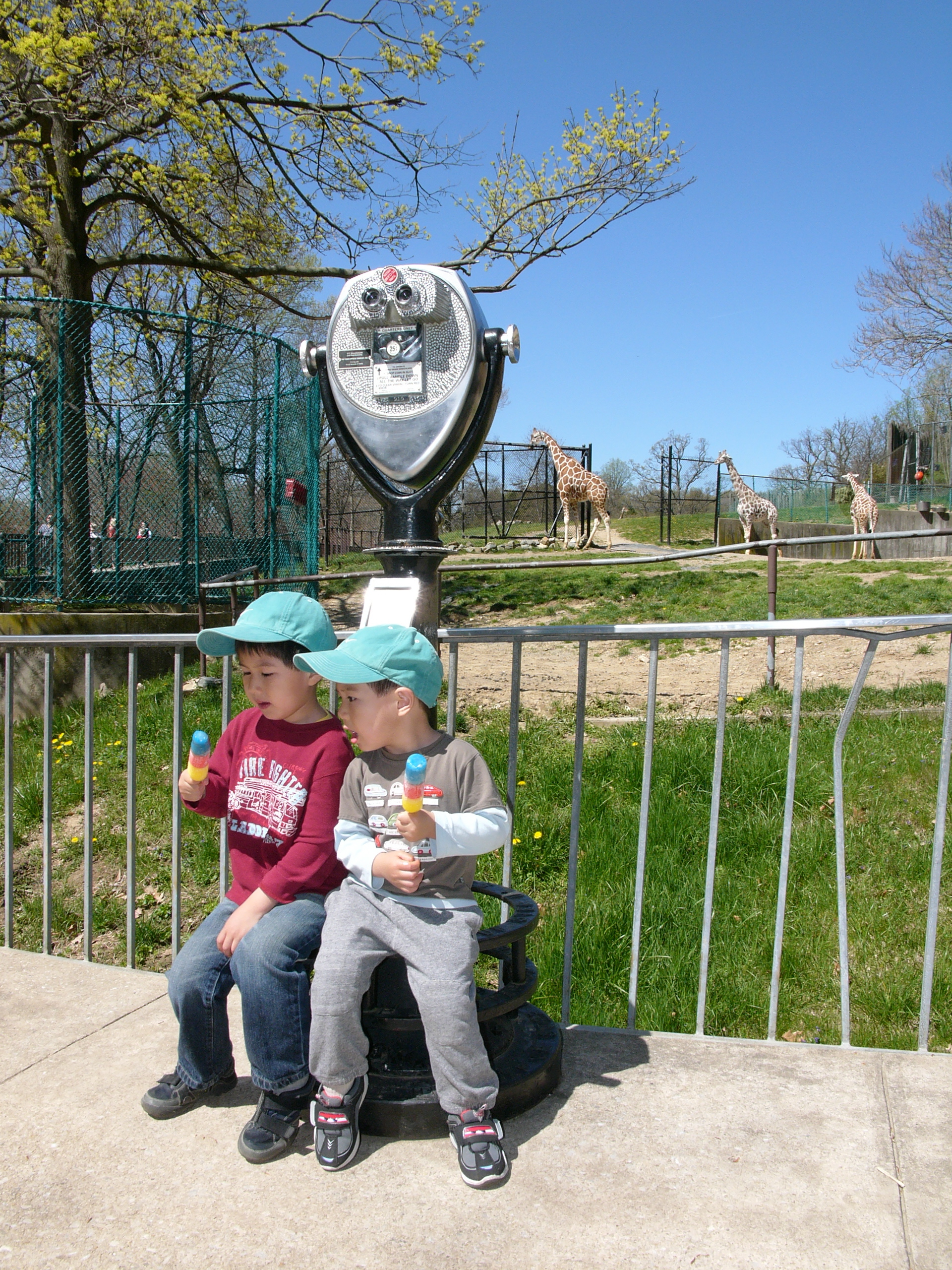
Here is an example of a quick snap with my G7, a camera into which Canon has stuffed 10 megapixels into a relatively small 1/1.8" sensor.

The colors are true and accurate, and as you can see from the full size image, the resolution is excellent. However, the highlights have been hopelessly blown. This is undoubtedly my fault, not the G7's. I could have exposed for the highlights by consulting the histogram. I could have used more negative exposure compensation and set the in-camera contrast lower knowing that the G7 has a tendency to clip highlights in such challenging conditions. However, I can tell you with complete certainty, than none of my other cameras would have clipped the highlights so severely in that image.
By comparison, here are two photos taken under similar lighting conditions with my four-year-old Leica D2. The full size versions can be viewed here and here.
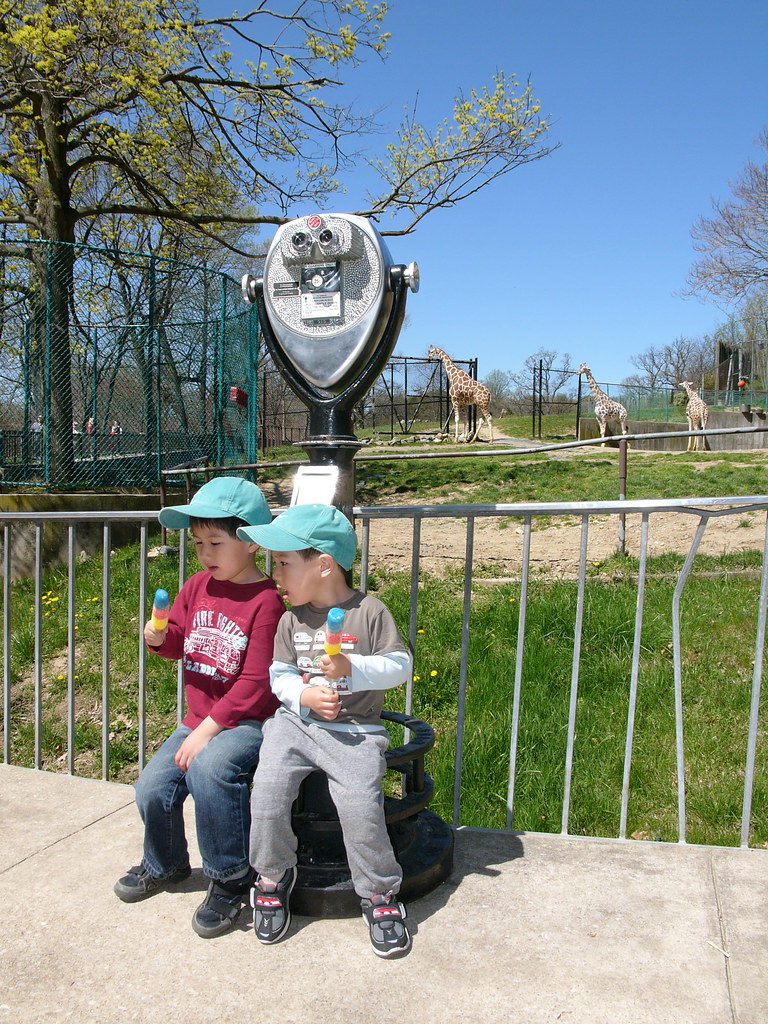

Like the G7, the D2 has a small sensor. The D2 sensor is slightly larger, at 2/3"; the key difference is that it has only 5 megapixels. As a result, the pixel pitch is several times larger than that of the G7. The fact that, at the pixel level, G7 noise is not significantly different from D2 noise is a testament to the dramatic improvement of sensor technology since 2003. However, in the examples shown above, the D2 has nicely captured the dynamic range of a scene the G7 could not hope to have handled. Furthermore, both D2 examples shown here were shot at default JPEG settings. One can gain even more flexibility in dealing with dynamic range by shooting in RAW mode on the D2. Sadly, Canon has removed this option from their compact cameras, further compromising the already weak dynamic range performance.
Provided that the lens can resolve the detail, a 10MP sensor has enough pixels to capture an image from which one can crop out and discard 75% of the picture and still be left with an area that can be printed to 8x10" with good results. Most of us don't need more pixels in out pocket cameras. Poor dynamic range performance has been a weakness of digital photography since its inception, will flaw a photo even at 4x6" print sizes, and is largely ignored by makers of compact cameras as they compete for our money. Just something to consider when shopping for our next compact digital camera. Read More......